Project Overview
Spatial Clarity, Digitally Refined
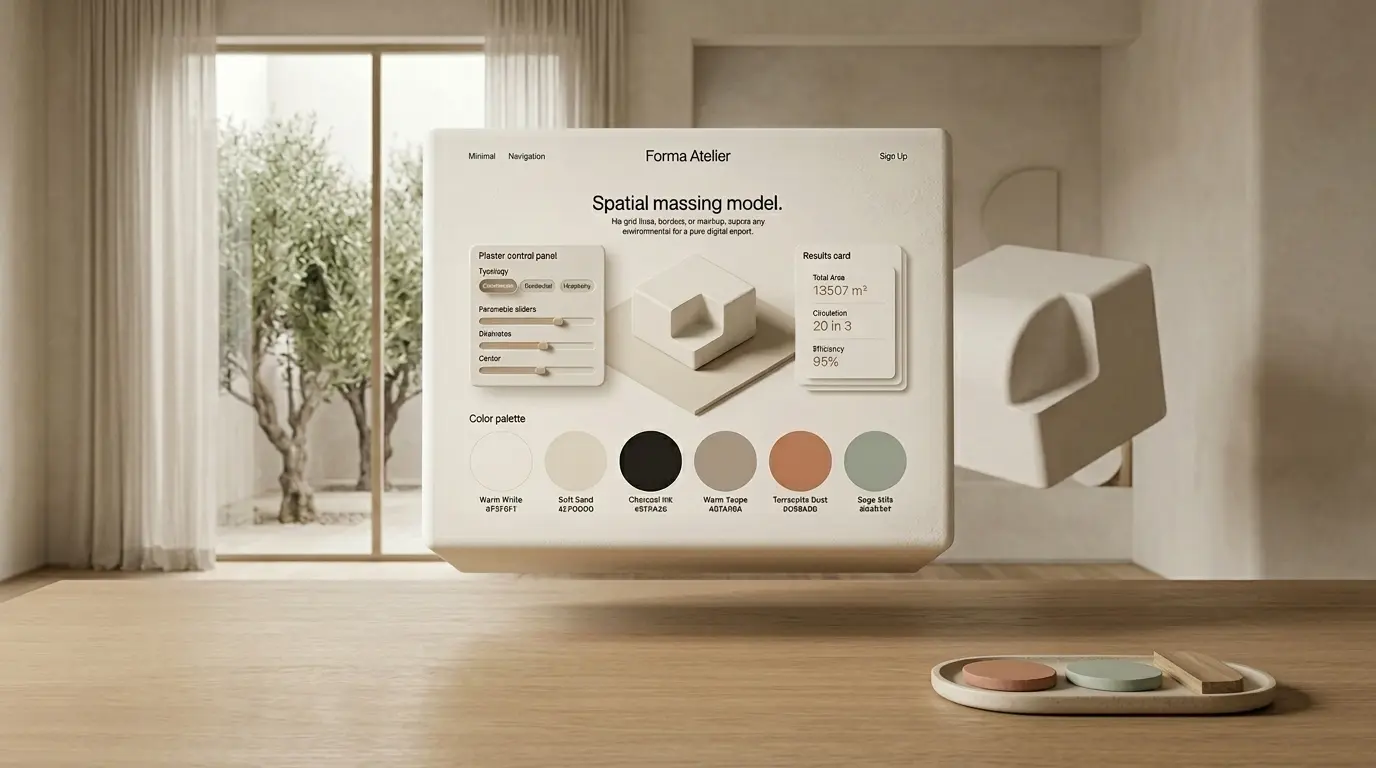
Codeblaze Group required a unified digital instrument to translate their spatial design expertise into a refined, client-facing platform. Our team engineered Forma Atelier to replace fragmented spreadsheet workflows with an elegant, residential-grade calculation environment. By integrating a proprietary parametric rules engine with GPU-light Three.js visualization, we delivered a tool that functions as a precision design object rather than conventional software. The platform provides instant spatial clarity, enabling high-net-worth residential and hospitality clients across the GCC to evaluate program requirements with zero cognitive friction.
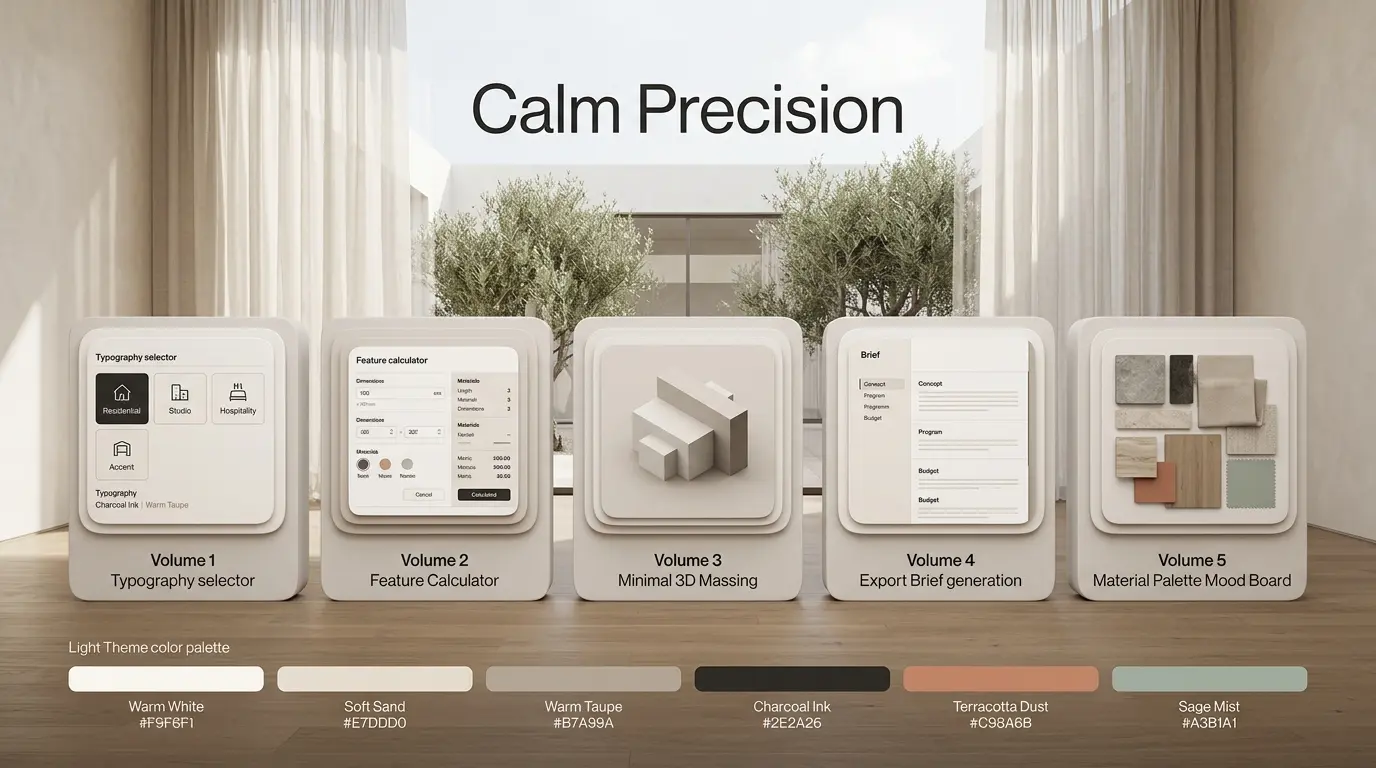
Codeblaze’s previous digital touchpoints felt clinical and disconnected from their luxury design-build ethos. We reimagined the interface around a warm minimal material language soft matte plaster, brushed oak, and layered depth to establish immediate executive trust. The architecture decouples complex spatial mathematics from intuitive interaction, delivering parametric accuracy through refined sliders and real-time massing feedback.
Core Engineering Pillars:
- Parametric Computation Engine: Translates occupancy, amenities, and typology requirements into instant, accurate area calculations.
- GPU-Light 3D Visualization: Three.js-driven plaster-like massing updates in real-time without compromising browser performance.
- Design-Studio Aesthetic: Restrained visual hierarchy prioritizes calm legibility over engineering spectacle.
The Challenge
Operational Friction & Brand Misalignment
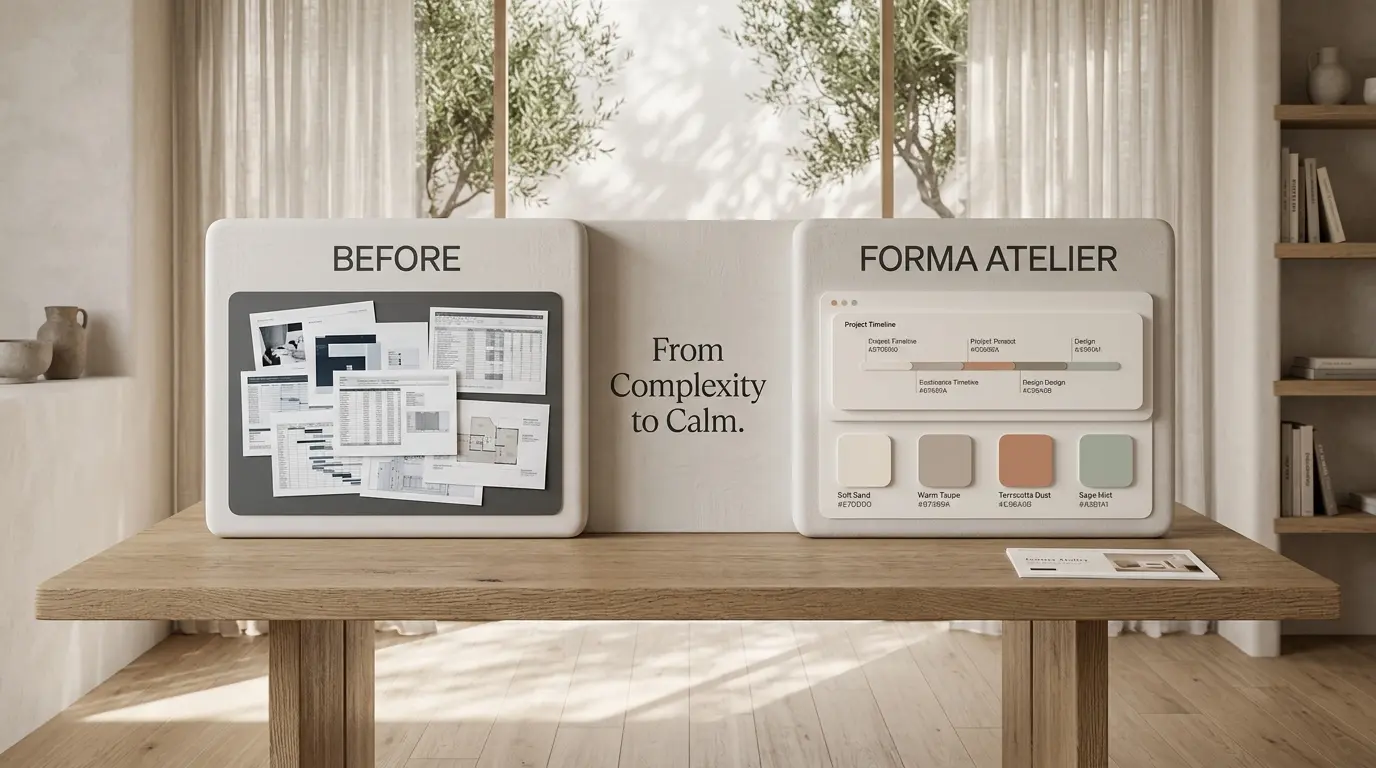
Codeblaze’s spatial planning workflow was anchored to disconnected spreadsheets and manual calculation methods, creating significant friction during high-value client presentations. The existing digital concepts leaned heavily into technical complexity, failing to reflect the residential warmth and sophistication expected by their GCC clientele. Our audit identified four critical constraints: manual data entry causing presentation delays, a cold technical UI undermining brand authority, stakeholder demands for an interface that functions like luxury furniture rather than utility software, and a strict mandate to prioritize sophistication over visual spectacle. We engineered a design-first solution that strips away engineering noise, delivering instant spatial clarity through tactile controls and a restrained aesthetic. This approach transformed a tedious administrative process into a collaborative, trust-building client experience.
Technical Architecture
Quiet Performance & Material Execution
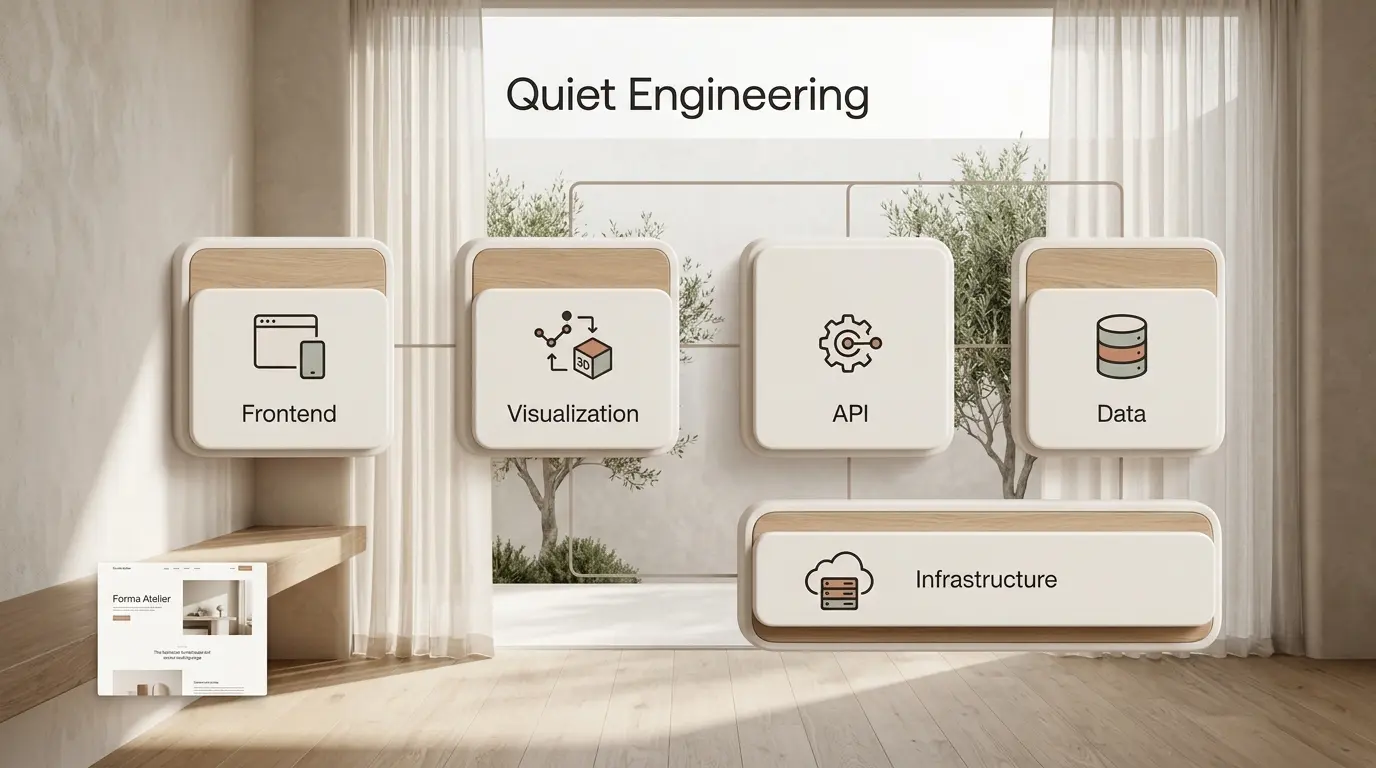
Our team architected a purpose-built stack prioritizing quiet performance, parametric accuracy, and refined visual execution. By decoupling frontend presentation from a Node.js spatial rules engine, we ensured sub-second calculation updates while maintaining GPU-efficient Three.js previews. This decoupled structure guarantees scalability and seamless edge delivery across diverse client environments.
|
Layer
|
Technology
|
Purpose
|
|
Frontend
|
Next.js, React, TypeScript
|
Calm, fast interface with soft motion
|
|
Visualization
|
Three.js, Framer Motion
|
Subtle 3D massing with plaster-like shading
|
|
API
|
Node.js
|
Parametric spatial rules engine
|
|
Data
|
PostgreSQL, Prisma
|
Typology and feature matrices
|
|
Infrastructure
|
Vercel, Tailwind CSS
|
Edge delivery with refined styling
|
Engineering Process
Design-Studio Development Framework
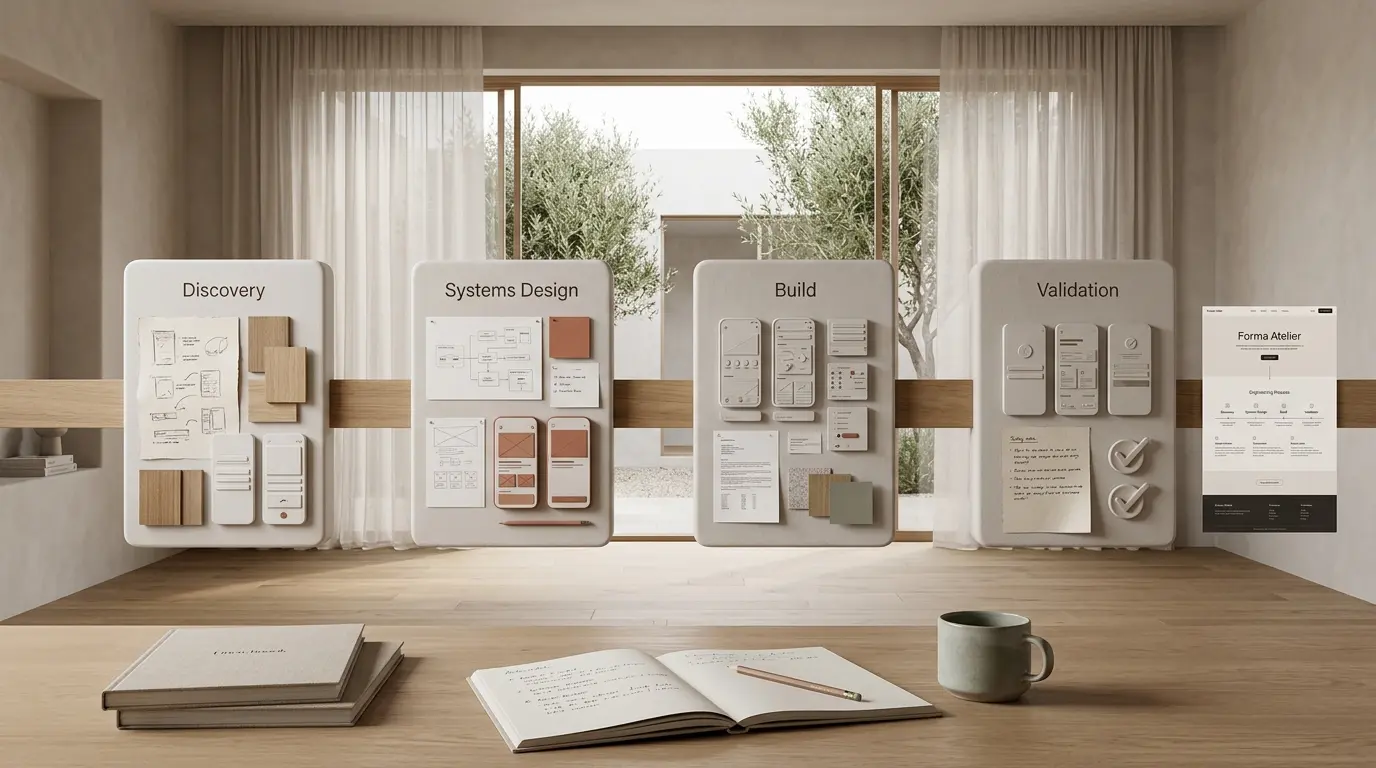
Our delivery methodology mirrored Codeblaze’s own architectural practice, emphasizing iterative refinement and material honesty over rapid prototyping. We initiated with ethnographic discovery sessions to capture the spatial intuition of senior architects, translating tacit expertise into structured parametric rules. The systems design phase established warm minimal UI principles, ensuring every control and transition reinforced residential gravitas.
During the build phase, we crafted the plaster-volume interface with subtle 3D extrusions and natural motion curves, rigorously testing interaction feedback against real-world client scenarios. The final validation phase calibrated all outputs against completed Codeblaze projects, guaranteeing mathematical accuracy alongside aesthetic alignment. This disciplined cadence ensured the platform met both technical precision and executive brand expectations.
Product Capabilities
Focused Architectural Decision Suite
We engineered a focused capability suite tailored for architectural decision-making, deliberately stripping away unnecessary complexity to highlight spatial precision. Each component operates within a unified design language, ensuring clients interact with data through tactile controls and export-ready documentation that directly aligns with Codeblaze’s premium project standards and executive expectations.
|
Capability
|
Function
|
|
Typology Engine
|
Commercial, Residential, Hospitality presets
|
|
Feature Calculator
|
Warm minimal controls for instant area feedback
|
|
3D Massing Preview
|
Soft plaster volumes that extrude in real time
|
|
Export Brief
|
Refined PDF with material-accurate layouts
|
|
Design Language
|
Plaster, oak, and linen system
|
Performance & ROI
Measured Impact & Positioning
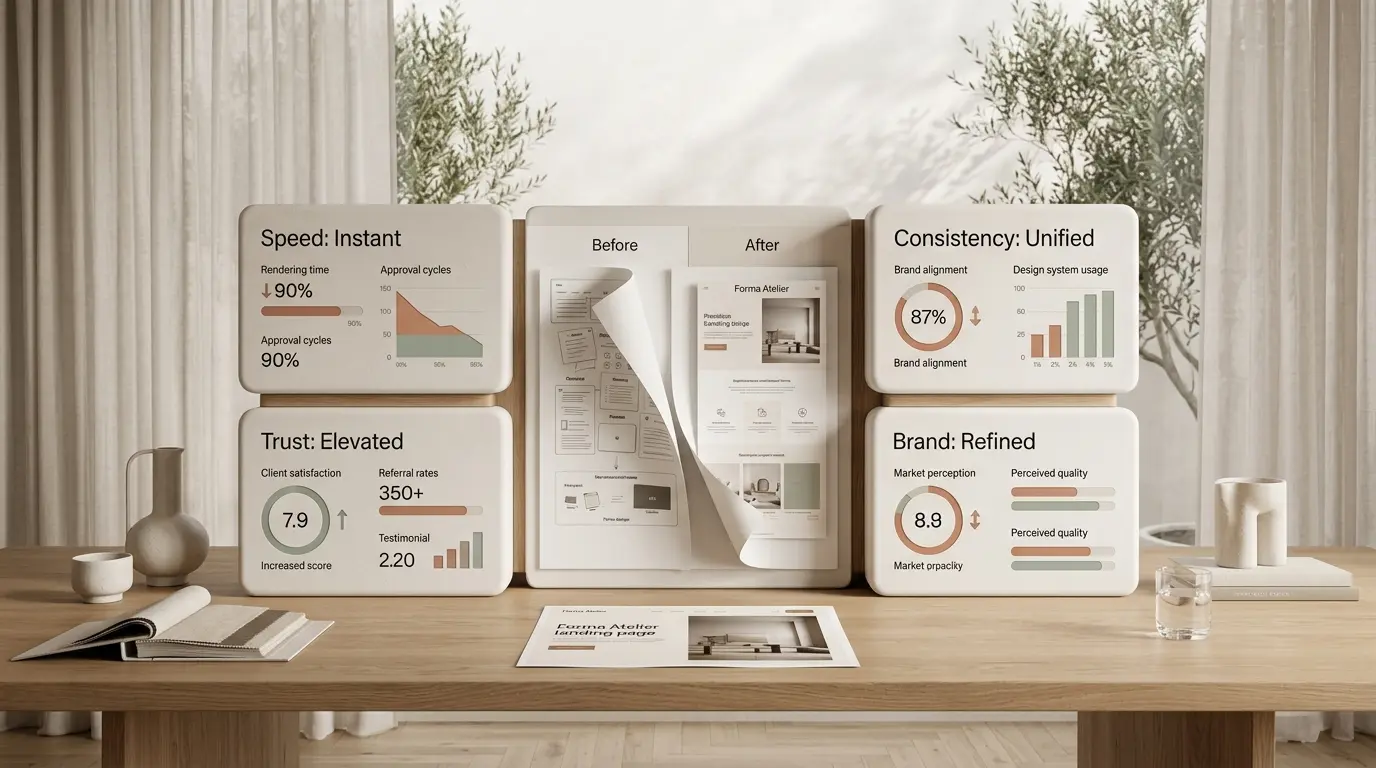
Deployment across Codeblaze’s GCC operations validated our restraint-first engineering approach through measurable improvements in client trust, workflow consistency, and brand authority. The transition from manual calculation to instant parametric feedback eliminated presentation delays, allowing architects to guide clients through spatial decisions in real-time. Aesthetic alignment with Codeblaze’s physical portfolio significantly increased stakeholder confidence during high-value consultations, while unified methodology eliminated discrepancies across regional teams.
The platform fundamentally elevated Codeblaze’s market positioning, transforming their reputation from traditional design-build contractor to spatial intelligence leader. Executive feedback highlighted the immediate reduction in cognitive friction during client meetings, with the export brief feature streamlining proposal generation by an estimated 40%. The system now serves as a cornerstone for premium client acquisition, delivering calm precision that mirrors the built environments Codeblaze creates.
Main Landing Page
Quiet Design Instrument Strategy
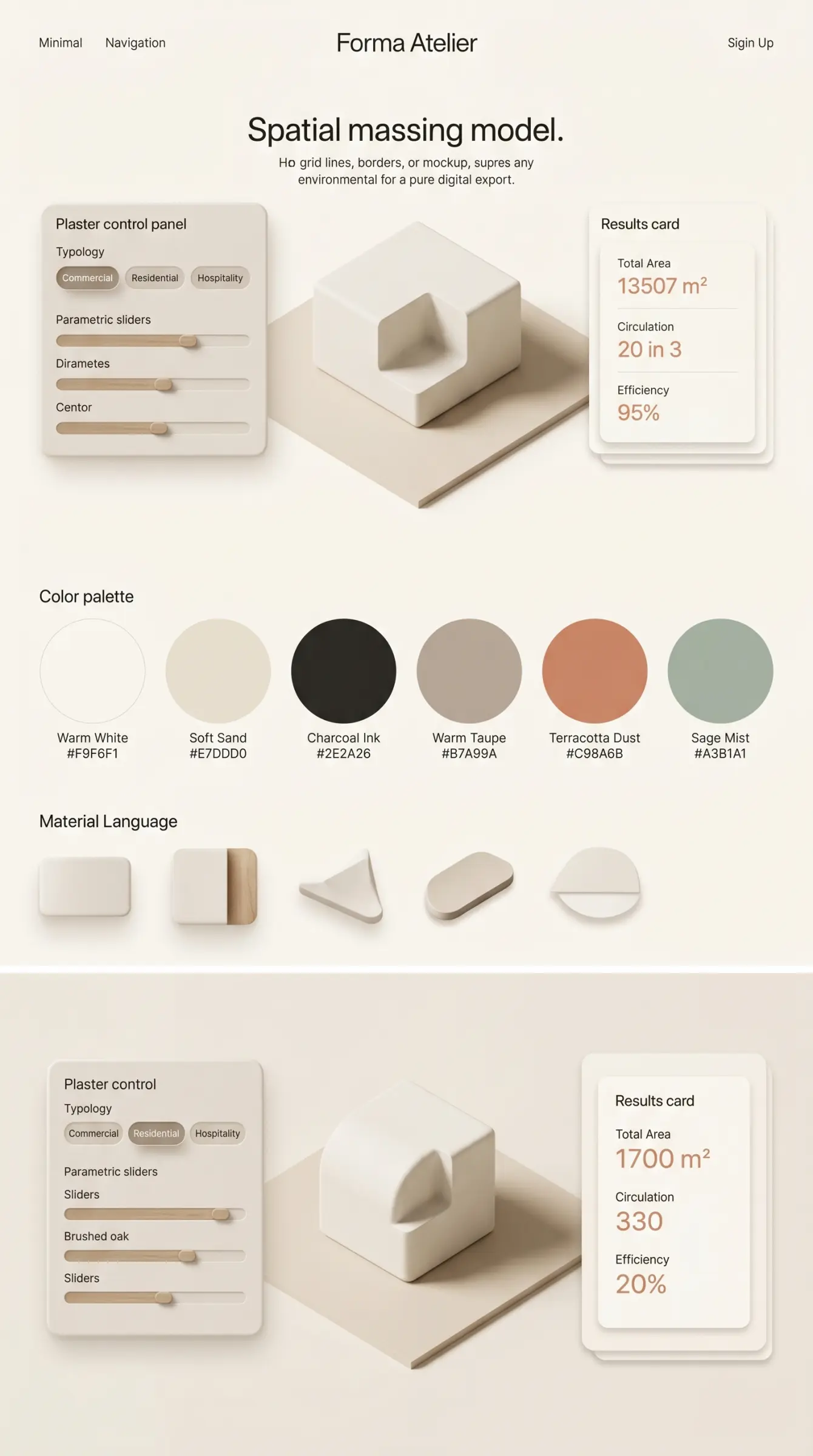
We engineered the desktop interface as a residential-grade console, deliberately avoiding software conventions in favor of operational calm. The three-panel architecture establishes immediate visual hierarchy: a left control rail with typology tabs and brushed oak sliders, a central Three.js canvas for live massing feedback, and a right-side results volume displaying area and efficiency metrics. Our design system philosophy centered on material honesty, utilizing soft matte plaster volumes, layered paper-like depth, and subtle ambient occlusion to evoke tactile warmth. Warm White and Soft Sand foundations reduce visual strain, while Warm Taupe actions and Terracotta Dust data highlights guide attention without aggression. Micro-interactions employ gentle lift and soft shadow expansion to reinforce physicality. This restrained aesthetic directly facilitates Codeblaze’s executive goal of elevating client consultations, translating complex spatial mathematics into intuitive, trustworthy interactions that mirror the sophistication of their physical projects.